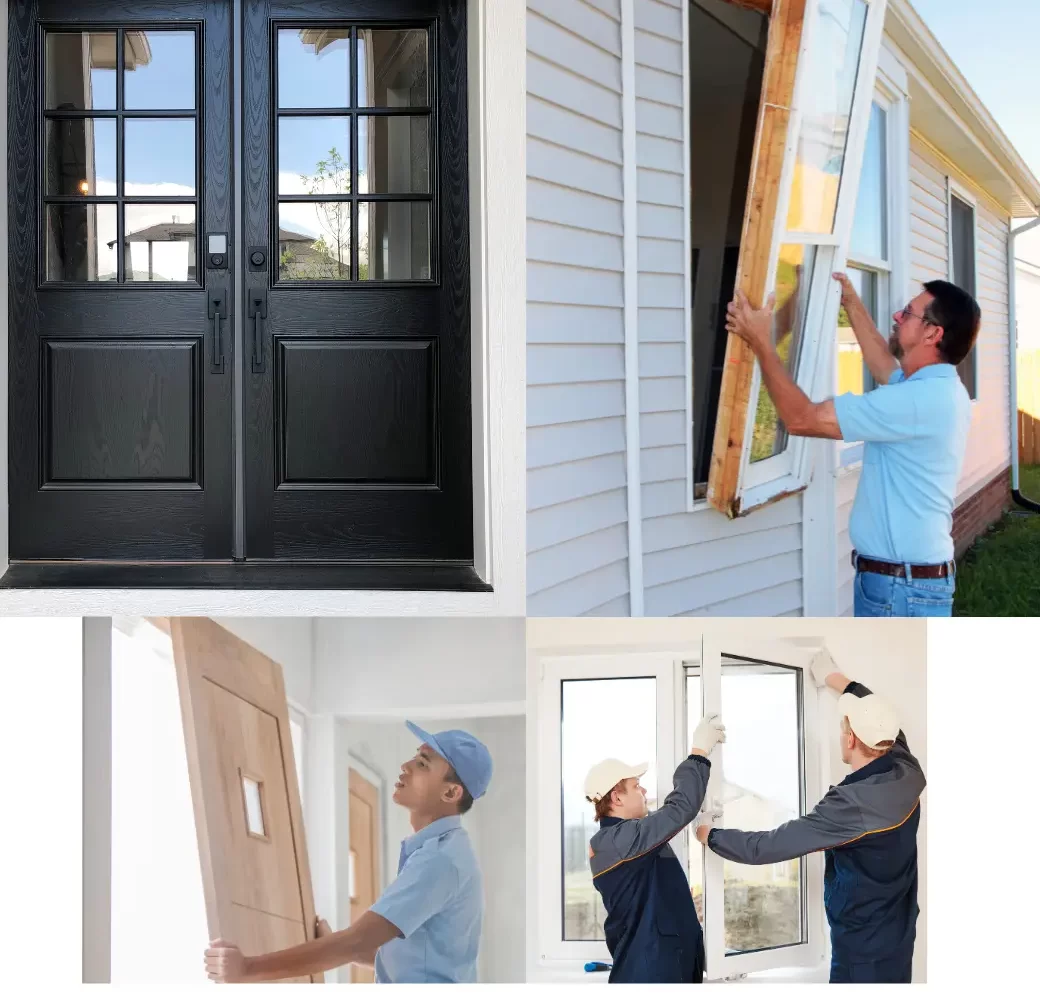
Importance of Quality Siding for Home Protection
Quality siding plays a crucial role in protecting your home from the elements. It acts as a barrier against moisture, wind, and extreme temperatures, ensuring that your home remains safe and structurally sound.
Investing in high-quality siding materials not only enhances the durability of your home but also improves its energy efficiency. For instance, insulated siding can help reduce heating and cooling costs, making it a wise choice for homeowners looking to save on utility bills.
Types of Siding Materials: Which is Right for You?
Choosing the right siding material is essential for achieving the desired aesthetic and functional benefits for your home. Common options include vinyl, wood, fiber cement, and metal, each offering unique characteristics and advantages.
For example, vinyl siding is known for its low maintenance and cost-effectiveness, while wood siding provides a classic look with natural insulation properties. Understanding the pros and cons of each material can help homeowners make informed decisions that align with their budget and style preferences.
DIY Siding Maintenance Tips
Regular maintenance of your siding can extend its lifespan and keep your home looking great. Simple tasks such as cleaning, inspecting for damage, and repainting can significantly enhance the durability of your siding.
For instance, homeowners can pressure wash vinyl siding to remove dirt and mildew, while wood siding may require periodic sealing to protect against moisture. Implementing these DIY maintenance tips can save you money on repairs and replacements in the long run.
Signs You Need Siding Repair or Replacement
Recognizing the signs of siding damage is vital for maintaining your home's integrity. Common indicators include warping, cracking, peeling paint, and visible mold growth, all of which suggest that your siding may need repair or replacement.
For example, if you notice moisture infiltration in your home or increased energy bills, it may be time to assess the condition of your siding. Addressing these issues promptly can prevent more extensive damage and costly repairs in the future.